





Diagnose Jeep Grand Cherokee Check Engine Light
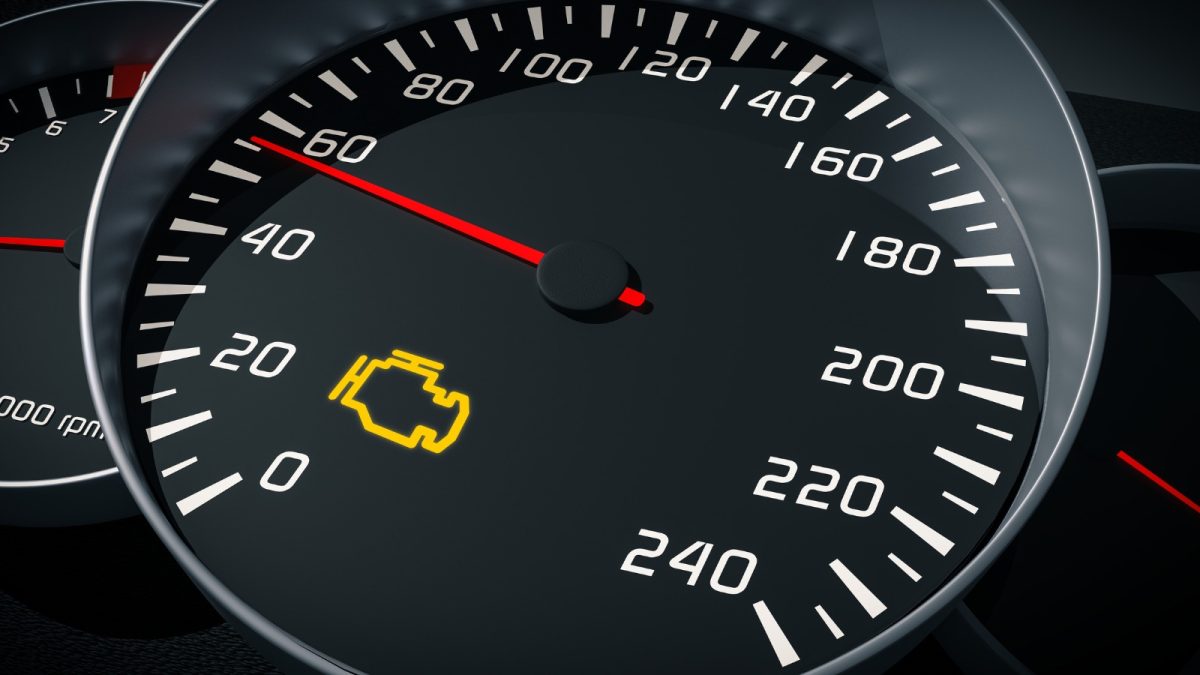
Photo Source/Copyright: Kelley Blue Book
Does a check engine light on your Jeep Grand Cherokee mean immediate trouble? Not at all; when the check engine light appears in your Jeep Grand Cherokee, the onboard diagnostic system has logged a fault. The lamp doesn’t indicate a repair and doesn’t automatically signal an emergency. How the light behaves is the first useful clue available to you from the driver’s seat, and it shapes what you should do next.
What the Check Engine Light Means in Your Jeep Grand Cherokee
Your owner’s manual calls it the malfunction indicator light, or MIL. It belongs to the OBD II onboard diagnostic system, which monitors engine and automatic transmission operation. When a monitored value falls outside its expected range, the system stores a code and lights the lamp.
The light usually appears with a message in the instrument cluster, sometimes with an audible chime; neither the lamp nor the message names the failed part.
Steady Light vs. Flashing Light
Before anything else, notice whether the light is holding steady or flashing. That single detail determines how urgently you need to act.
- Steady illumination → A fault is stored. The vehicle will usually drive normally and won’t require towing. Have it serviced if the light stays on through several typical driving patterns.
- Flashing illumination → Conditions may cause immediate power loss or severe damage to the catalytic converter. Have the vehicle serviced by an authorized dealer as soon as possible.
A steady light gives you room to plan; common triggers include a loose or missing fuel cap or poor-quality fuel. A flashing light is different.
It points to an active condition that can damage expensive exhaust components the longer you drive, so limit your distance and arrange service right away.
Common Reasons the Light Comes On
Causes range from the routine to the significant, and the stored code is what narrows the field. A single code can also point to multiple possible failures. These are among the conditions most often behind an illuminated lamp:
- Fuel filler or EVAP system seal
- Oxygen sensor fault
- Catalytic converter efficiency
- Worn spark plugs or ignition coils
- Mass airflow sensor readings
- Vacuum or intake leaks
- Low battery charge affecting multiple systems
What to Check First
Start with the fuel system. A loose or missing fuel cap, a compromised filler seal, or poor-quality fuel can trigger the evaporative emissions monitor, which ranks among the most common benign causes; however, if the light appeared soon after a fill-up, note that timing.
Then note what you can observe. Rough idling, hesitation, reduced power, unusual smells, or a change in fuel economy are all useful details. Bring them to your service appointment; they help a technician narrow the diagnosis faster.
Reading the Code Is Not a Diagnosis
A stored code identifies the system reporting out of range, not the component that failed. Several different faults can produce the same code, which is why a code read alone can lead to replacing parts that were never the problem.
Connected Services can help. On a properly equipped, enrolled Grand Cherokee, the Vehicle Health Report summarizes warning indicators and can send an alert between monthly reports. Jeep is clear, though, that it doesn’t replace a technician’s diagnosis.
Will the Light Reset on Its Own?
Sometimes. Once the underlying condition is actually repaired, the system may clear the lamp on its own after several driving cycles. If the light returns, the fault remains.
Clearing a code without repairing anything is a different matter. It erases the readiness monitors your vehicle needs for emissions testing, and disconnecting the battery isn’t a repair. The condition remains, and the light will come back.
Frequently Asked Questions
Q: Can I keep driving with the check engine light on?
A: With a steady light, usually yes. The vehicle will typically drive normally and won’t require towing, though you should still schedule service. With a flashing light, seek service immediately.
Q: Does a check engine light mean an expensive repair?
A: Not necessarily. Causes range from a fuel system seal to a failing sensor or converter, and there’s no way to know which without a diagnosis. The first step is testing, not parts.
Q: Can a check engine light affect towing or off-road driving?
A: It can. A stored fault may limit powertrain behavior, and towing or trail use raises thermal load. Resolve the fault first, and confirm your Grand Cherokee is properly equipped for the load.
Schedule Jeep Grand Cherokee Service
When the light appears, the fastest path to an answer is a proper diagnosis. Our certified technicians use factory diagnostic equipment to identify the actual cause, not just the code, and restore your vehicle’s peak performance. Schedule your Grand Cherokee service today.
More From NYE Chrysler Dodge Jeep Ram
2026 Ram 1500 Review: Built to Last
Photo Source/Copyright: Ram Half-ton trucks don’t usually get weird. Ram’s did. Over a few short model years, the brand pulled the HEMI, brought it back, revived a supercharged off-roader, and built an honest-to-goodness muscle truck. If you’ve been eyeing a 2026 Ram 1500, the lineup looks familiar in the middle and gets wild at…
Why Choose The Jeep Compass Latitude Trim
Photo Source/Copyright: Edmunds Most car buyers assume the base trim in any vehicle lineup is the compromise tier: the version built with plain vinyl touchpoints, a tiny dashboard screen, and cold seats reserved for those who refused to spend more. Jeep Compass buyers get a completely different arrangement. The Latitude trim sits near…
Discover How a Lease Works for Cars
Photo Source/Copyright: Kelley Blue Book Leasing is now one of the most common methods of obtaining a new car, but the contract associated with it is usually written in terms that confuse more than they help. To understand how a lease works, you first need to realize that you’re paying for the portion…